contact us

contact us

DAMS Incorporated
We provide customers with quality products and provide high-quality services
If you would like to leave us a comment please go to
Contact Us


Intellectual property clauses for crochet hair human hair projects should define ownership of designs, textures, colors, packaging, labels, and custom specifications; restrict confidential information and brand use; assign responsibility for third-party infringement; require approval of samples and marketing materials; and establish remedies, records, termination duties, and post-project use rights.
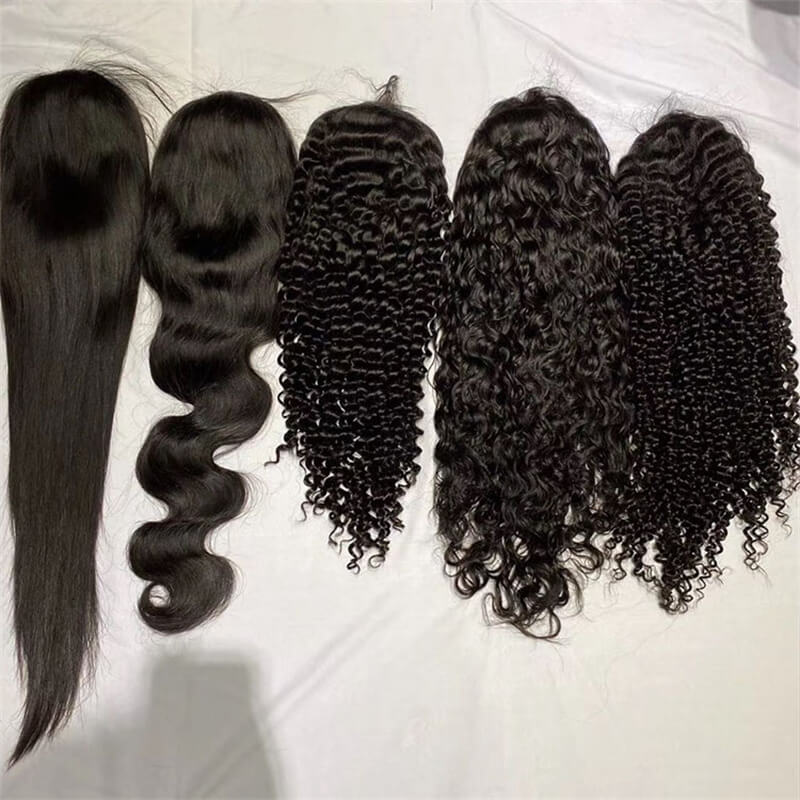
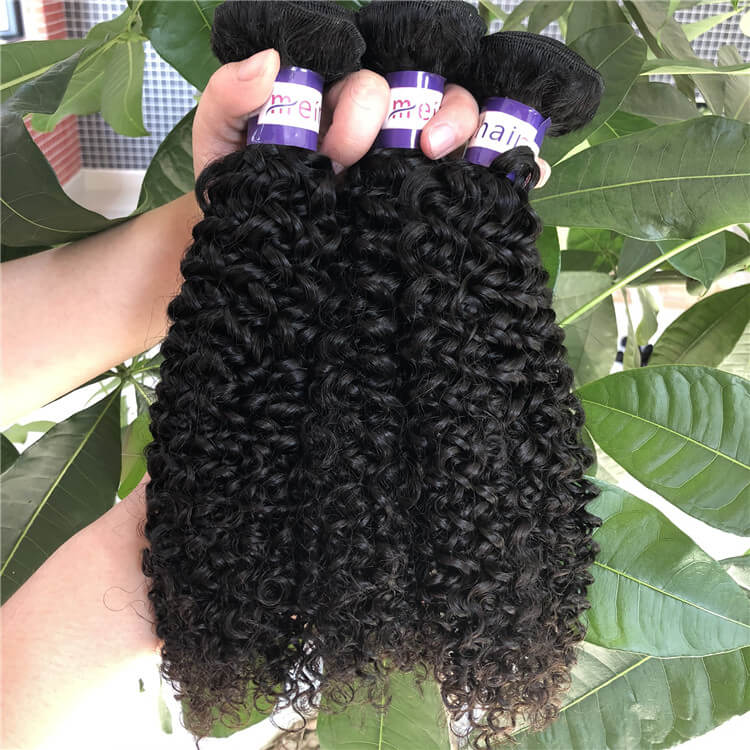
A crochet hair human hair project may involve product development, wholesale supply, private-label branding, and professional salon use. The agreement should identify each protected asset by category, including crochet hair specifications, Afro kinky bulk hair characteristics, Boho braiding hair references, product samples, packaging designs, and brand materials. The contract should state whether an asset is pre-existing supplier know-how, buyer-provided material, or newly created project work.
Ownership language should distinguish customized deliverables from general manufacturing knowledge. Buyer-provided logos, trademarks, packaging artwork, and proprietary instructions should remain with the buyer. Supplier-owned production methods, existing product concepts, and general technical experience should remain with the supplier unless a separate written transfer is agreed. The clause should also state whether the buyer receives exclusive rights, a limited license, or rights restricted to a defined territory or sales channel.
Confidentiality provisions should cover samples, texture and color requirements, length specifications, density requirements, lace or attachment details where applicable, packaging files, private-label information, customer lists, order quantities, and pricing. Access should be limited to personnel and subcontractors who need the information for the approved project. The contract should require equivalent confidentiality duties from those parties.
Brand-use clauses should prohibit unauthorized use of the buyer’s name, logo, labels, packaging, product images, and promotional materials. They should address online stores, social-commerce listings, retailer materials, salon materials, and other approved channels when those channels form part of the project. Any public reference to the project, customer, or customized product should require written permission.
Infringement allocation should identify which party is responsible for materials it supplied. A buyer should represent that its trademarks, artwork, instructions, and other supplied content are authorized for use. A supplier should address the originality or authorized use of supplier-created materials and should define the process for handling a third-party claim, including notice, cooperation, control of defense, replacement, modification, or discontinuation.
Approval and evidence clauses should require written confirmation of samples and specifications before production. Records may include approved photographs, texture descriptions, color references, packaging files, labels, invoices, inspection results, and change requests. This approach supports traceability for projects involving wholesalers, distributors, salons, online retailers, and private-label hair brands.
Termination clauses should explain what happens to unfinished samples, production materials, confidential information, unused packaging, digital files, and remaining inventory. They should address continued confidentiality, removal of unauthorized listings, return or deletion of protected materials, and whether either party may continue using generic, non-confidential production knowledge.
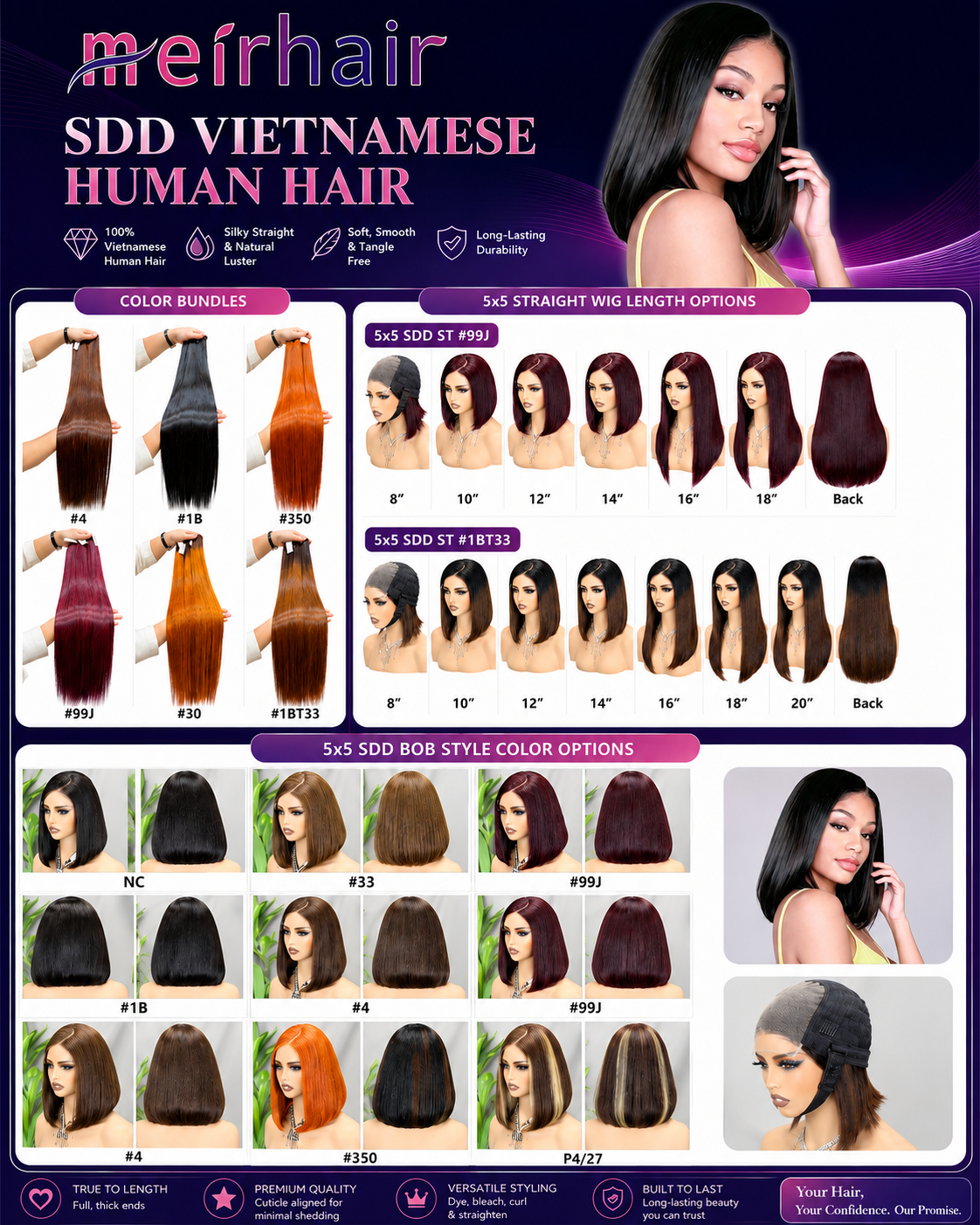
MEIRHAIR’s documented business activities include OEM/ODM customization, private-label and customized brand supply, wholesale and bulk orders, ready-stock supply, and flexible small-batch orders. These models make it useful to connect intellectual property terms with the order type, approved customization scope, and permitted use of project materials.
The company’s cooperation records include crochet human hair wholesale supply for a beauty supply distributor in France and Boho braids supply for a braiding hair wholesaler in the United Kingdom. These cases relate to crochet hairstyles, protective hairstyles, professional salon installation, and multiple braiding styles, providing practical contexts for defining product, branding, and usage rights.
| Clause Area | Recommended Coverage for Crochet Hair Human Hair Projects |
|---|---|
| Ownership and licensing | Identify ownership of buyer materials, supplier materials, customized deliverables, packaging, labels, and project-specific files; state whether rights are exclusive or limited. |
| Confidentiality | Cover samples, textures, colors, lengths, densities, pricing, customer information, private-label details, and development records. |
| Brand and content use | Control trademarks, logos, product images, online listings, packaging, marketing materials, and public references to the project. |
| Approval and change control | Require written approval for samples, colors, textures, packaging, labels, and specification changes before production or release. |
| Infringement responsibility | Assign responsibility according to the source of the supplied material and define notice, cooperation, defense, replacement, modification, and discontinuation procedures. |
| Termination and post-project duties | Address return or deletion of confidential materials, removal of unauthorized content, unfinished work, inventory, and continuing rights to general non-confidential know-how. |
Which intellectual property assets should the contract list?
The list should cover crochet hair specifications, texture and color requirements, samples, packaging artwork, labels, trademarks, logos, product photographs, marketing materials, private-label information, and customized development files.
Who should own customized crochet hair designs and packaging?
The contract should state ownership separately for buyer-provided materials, supplier pre-existing materials, and newly created project deliverables. It should also specify whether the buyer receives ownership, an exclusive license, or a limited-use license.
How should an agreement handle a third-party infringement claim?
It should connect responsibility to the party that supplied the disputed material, require prompt notice and cooperation, define control of the response, and establish available measures such as replacement, modification, discontinuation, or other agreed remedies.
A suitable crochet hair human hair agreement should combine ownership definitions, confidentiality, brand-use restrictions, approval records, infringement allocation, and termination duties. The clauses should match the selected cooperation model, whether OEM/ODM customization, private-label supply, wholesale and bulk orders, ready-stock supply, or flexible small-batch orders. For detailed technical solutions or support, please reach out to us via sales@brazilianhairtop.com.
Guangzhou Ruiju E-Commerce Co., Ltd. operates MEIRHAIR, a human hair brand supplying human hair wigs, Vietnamese human hair wigs, bundles, braiding hair, hair extensions, and customized hair solutions for global beauty markets.
Established in 2014, the company supports product development and customization involving textures, lengths, colors, densities, lace sizes, cap structures, attachment methods, packaging, and private-label branding. Its product range includes Boho braiding hair, crochet hair, Afro kinky bulk hair, wigs, bundles, and multiple extension systems.
Its cooperation records include projects for wholesalers, distributors, beauty supply businesses, and braiding-related customers across multiple industries.
Related Products