contact us

contact us

DAMS Incorporated
We provide customers with quality products and provide high-quality services
If you would like to leave us a comment please go to
Contact Us


Managing customer complaints about shedding human hair wigs requires rapid identification of root causes, structured customer verification, and reliable manufacturer support. Sellers must distinguish expected initial strand fallout from structural weft or lace damage. Offering clear care guidelines, prompt replacements for verified quality defects, and sourcing units backed by comprehensive pre-shipment quality inspection resolves customer concerns effectively.
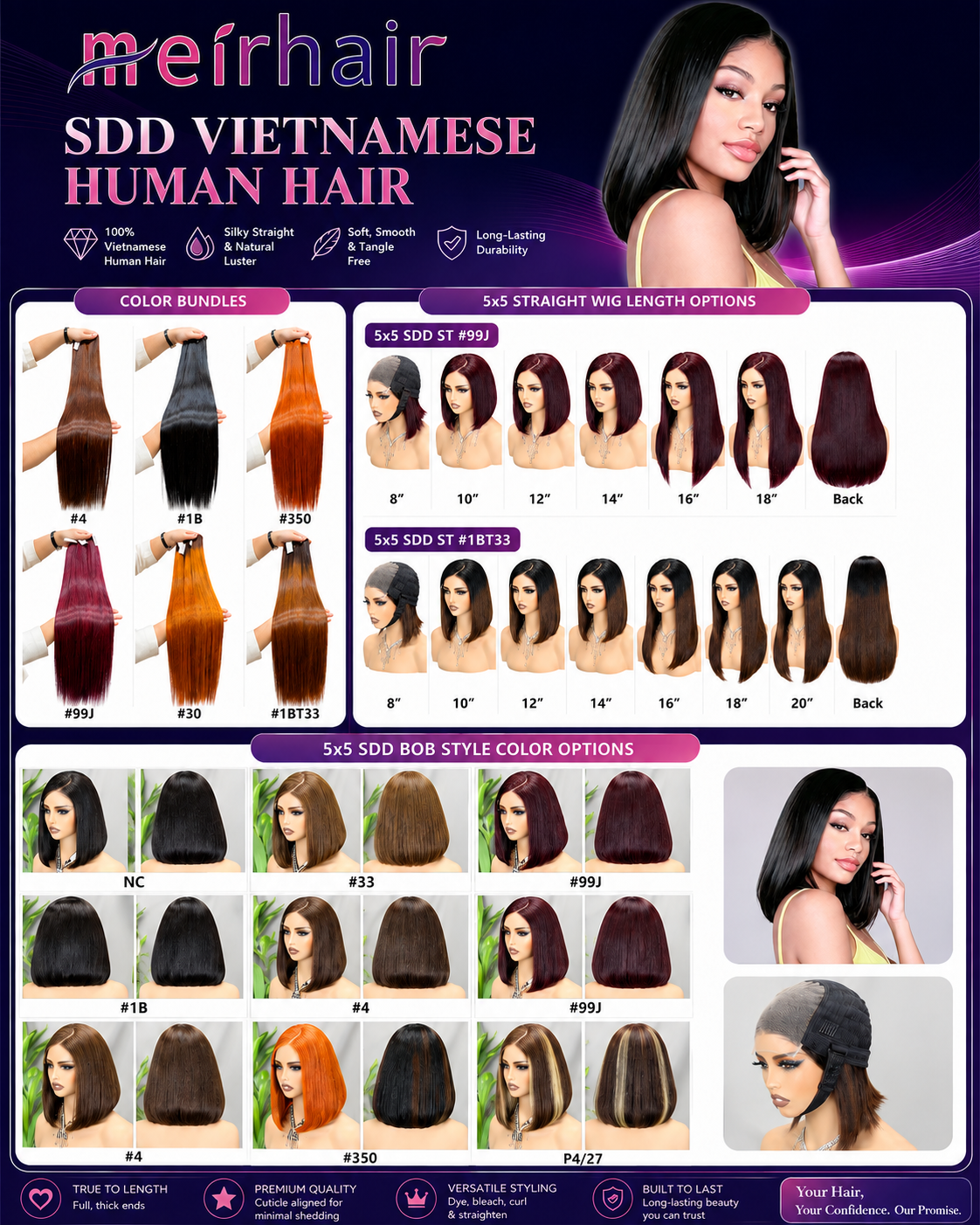
Human hair wigs, including Human Hair Bob Wigs with lace front, closure, or full wig options, undergo complex manufacturing processes. Shedding issues typically originate from two primary areas: machine weft stitching integrity and lace knot securement. When a customer reports shedding, technicians must evaluate whether the strands originate from trimmed weft tracks or compromised lace hand-tying.
Excessive shedding on lace products often stems from over-bleaching knots during customization or severe dry friction. Conversely, weft shedding occurs when track ends are cut during installation without proper adhesive sealing. A wholesale project involving 300 human hair wigs demonstrated that implementing standardized pre-shipment inspections on lace integrity and knot density reduced post-sale customer complaint rates by significant margins.
Working with experienced manufacturing partners such as Guangzhou Ruiju E-Commerce Co., Ltd. minimizes structural shedding risks. Multi-stage quality control—covering Raw Hair Inspection, Color Inspection, Length & Weight Inspection, Texture Inspection, and Weft & Lace Inspection—ensures that hair strands remain securely anchored to the cap construction before reaching end consumers.
| Issue Category | Root Cause | Diagnosis Method | Resolution Workflow |
|---|---|---|---|
| Initial Fallout | Residual loose hair left over from factory trimming | Gently comb through unit; shedding stops after 1–2 light passes | Provide maintenance guide; issue is non-defective and temporary |
| Weft Unraveling | Unsealed cut track ends or broken double-weft stitching | Strands detaching in groups along the machine weft seam | Authorize immediate replacement; verify factory double-weft processing |
| Lace Area Shedding | Over-bleached knots or aggressive comb friction on lace | Strands pulling out directly from hand-tied lace mesh | Provide knot sealer recommendations or process warranty return |
Q1: How can online hair retailers minimize shedding complaints before shipping?
A1: Retailers should establish pre-shipment quality control checks that test knot tightness and weft tension. Sourcing products with strict finished product inspection ensures shedding risks are identified prior to customer delivery.
Q2: Is minor shedding expected with 100% human hair wigs?
A2: Yes. Minimal strand fallout during the first few brushes is normal due to factory cutting processes. However, continuous strand loss during daily wear indicates a structural construction defect.
Q3: What after-sales policies help maintain customer trust when hair defects occur?
A3: Offering clear evaluation steps, clear care documentation, and rapid exchange options for verified manufacturing flaws helps maintain brand loyalty and protects retail margins.
Resolving customer complaints about shedding human hair wigs requires a dual strategy: establishing clear diagnostic protocols for end-users and securing supply chain consistency at the source. Utilizing flexible business models—such as OEM manufacturing, wholesale supply, and private label services with low minimum order quantities—allows distributors and retailers to maintain tight quality standards across all product lines. For detailed technical solutions or support, please reach out to us via sales@brazilianhairtop.com.
Guangzhou Ruiju E-Commerce Co., Ltd. operates the professional human hair brand MEIRHAIR, specializing in human hair wigs, hair bundles, hair extensions, and customized hair solutions for global beauty markets. Established in 2014, the company maintains a 5000 sqm factory facility with 50 employees, supporting a 100% export ratio across North America, Europe, Africa, the Middle East, South America, and Southeast Asia. The enterprise has served clients across multiple hair salon, retail, and wholesale industries worldwide.

Related Products
_1.jpg)
.jpg)