contact us

contact us

DAMS Incorporated
We provide customers with quality products and provide high-quality services
If you would like to leave us a comment please go to
Contact Us


To test whether lace on lace front wigs human hair samples withstands gentle pulling, secure the lace without gripping the hair, apply light and even tension by hand, and observe the lace edge, knots, and attachment area. Repeat the pull at several points, then check for tearing, stretching, loose strands, or separation while comparing the sample with its original condition.
The purpose of the test is to evaluate whether the lace maintains its structure during light handling. A useful inspection covers the lace mesh, knots, hair attachment points, and edge. The test should remain controlled so that the result reflects normal sample handling rather than damage caused by excessive force.
Begin with a visual inspection. Check whether the lace is intact and whether the hair is evenly attached. Note any existing tears, open mesh areas, loose knots, or detached strands before applying tension. This creates a reference for identifying changes after the test.
For the pulling step, support the lace close to the area being tested. Apply slow, light tension for a short period, release it, and inspect the same area. Repeat the process at several points. Evidence of acceptable resistance includes no visible tearing, no spreading of the mesh, no separation at the hair attachment area, and no newly loosened knots.
Do not pull directly on a concentrated group of hairs or use a sharp object to lift the lace. Those actions test localized damage rather than the lace's response to gentle handling. A sample that shows a new hole, stretched mesh, detached hair, or separated edge should be recorded for quality review.
For a clearer comparison, test samples under the same conditions and document the location tested, the visible condition before testing, the response during gentle pulling, and the final condition. This approach supports the product information requirement for inspection of hair quality, length, weight, color, texture, and weft, while keeping the lace-specific observations separate.
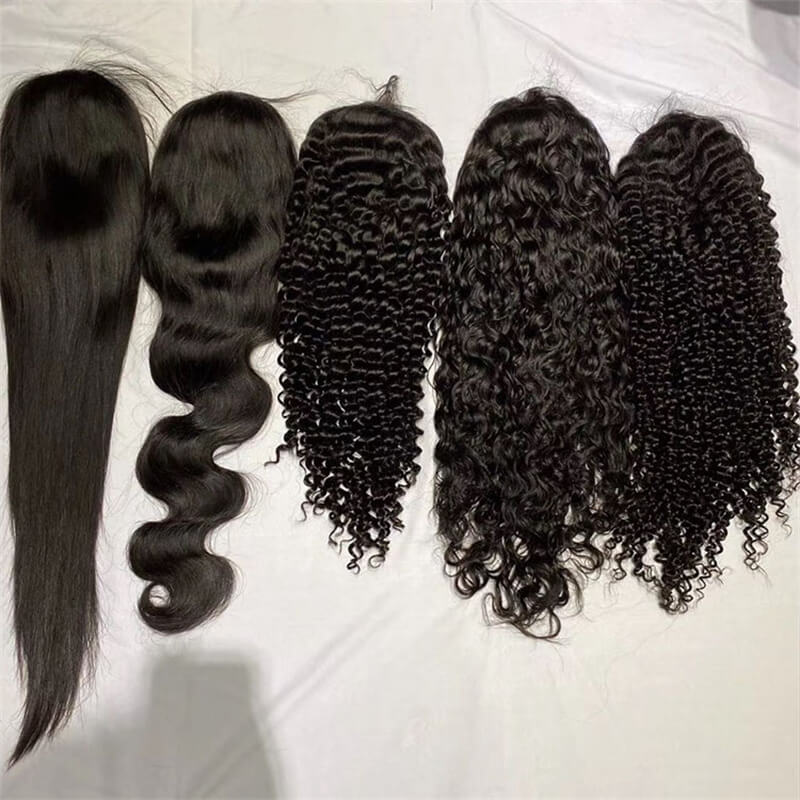
Guangzhou Ruiju E-Commerce Co., Ltd. has handled human hair wigs, lace closures, lace frontals, bundles, braiding hair, and multiple extension systems. Its stated quality process includes raw hair inspection, color inspection, length and weight inspection, texture inspection, weft and lace inspection, finished product inspection, and pre-shipment quality control.
Reported cooperation cases include lace closure and frontal supply for a wig manufacturer and hair wholesaler in Nigeria, where the products were used for customized wig making, replacement units, and professional salon wig production. The customer review described the lace products as easy to work with and consistent for wig production.
| Test Stage | What to Check | Pass Indication |
|---|---|---|
| Pre-test visual inspection | Lace mesh, edge, knots, and hair attachment points | No new damage is created during preparation |
| Gentle pulling at several points | Front edge, side area, and attachment section | No visible tearing, mesh spreading, or separation |
| Post-test inspection | Compare the tested area with its original condition | No newly loose knots, detached hair, holes, or stretched lace |
| Quality documentation | Test location, observed response, and final condition | Results are recorded consistently for comparison |
Should I pull the hair or the lace?
Apply tension to the lace while supporting the surrounding area. Pulling a concentrated group of hairs can create localized damage and does not accurately assess the lace structure.
How many areas should I test?
Test several representative locations, such as the front edge, side area, and attachment section. The available data does not specify a fixed number of test points, so consistency between samples is more important than an invented numerical threshold.
What findings should be recorded as quality issues?
Record any new hole, tearing, spreading mesh, separated edge, detached hair, or newly loose knot. Photographing or documenting the condition before and after testing can support quality issue handling and replacement discussions for confirmed problems.
Use a slow, light, and repeatable pull on supported lace areas, then compare the mesh, edge, knots, and hair attachment points before and after testing. This method is suitable for sample review before wholesale, OEM/ODM, private-label, or small-batch orders. MEIRHAIR supports a minimum order quantity of 1 pc, with stock products stated at 7 days and customized orders stated at 15–30 days depending on style, quantity, and customization requirements. For detailed technical solutions or support, please contact sales@brazilianhairtop.com.
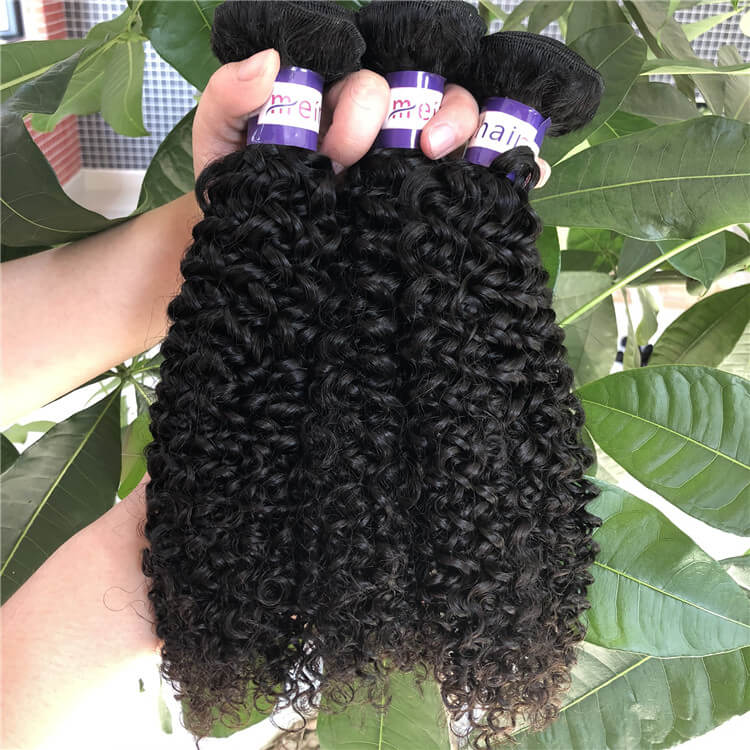
Guangzhou Ruiju E-Commerce Co., Ltd. operates MEIRHAIR, a professional human hair brand specializing in human hair wigs, SDD Vietnamese human hair wigs, bundles, lace closures and frontals, braiding hair, crochet hair, extensions, and customized hair solutions. Established in 2014, the company supports product development and customization for hair textures, lengths, colors, densities, lace sizes, cap structures, attachment methods, packaging, and private labels. Its markets include North America, Europe, Africa, the Middle East, South America, and Southeast Asia.

Related Products